The past 7 weeks have been an insightful and interesting process of analysis and views on the digital marketing stage and how it has transformed, affects current engagement and future developments.
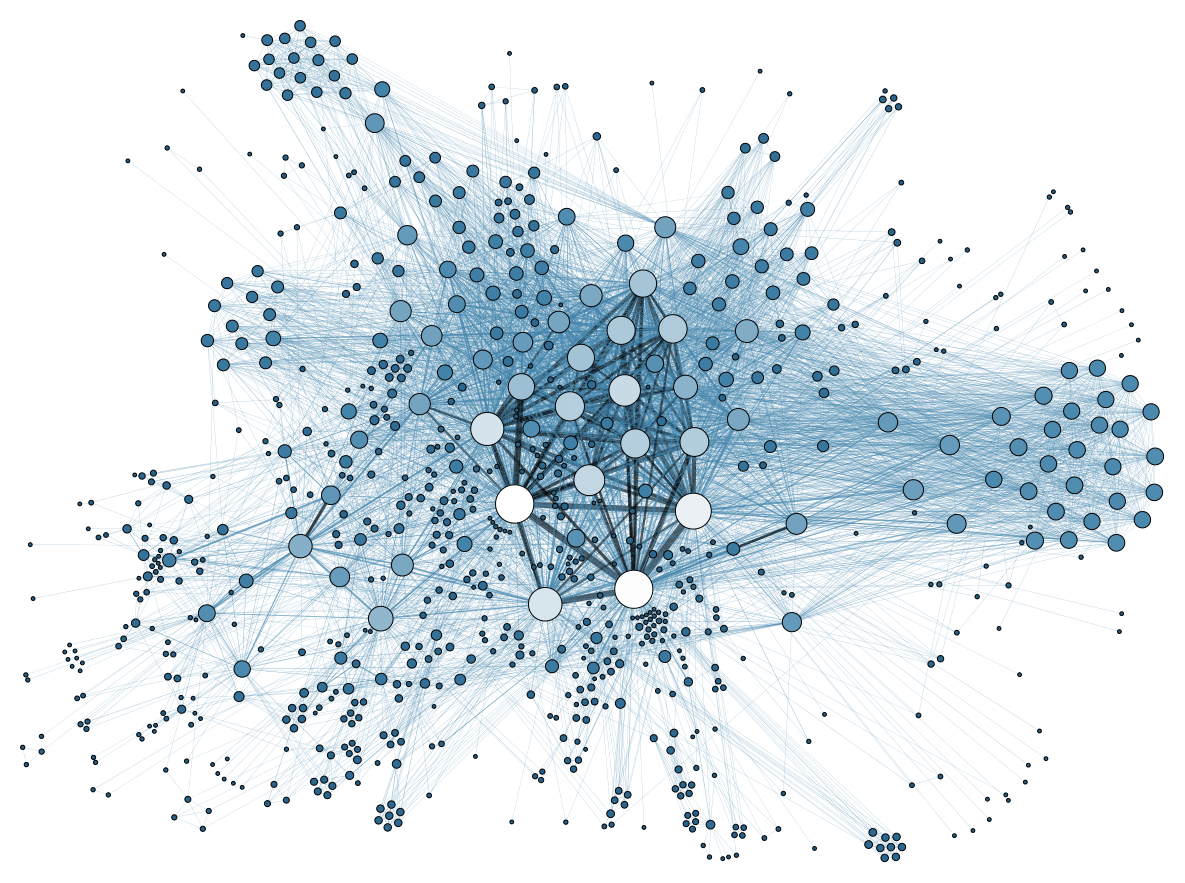
What has become highly apparent throughout is the topic of data, its use and regulations surrounding its use for marketing benefits. This week coincidentally the BBC Panorama team released a programme focused on the practices of Amazon (Amazon, what they know about us, 2020), a topic discussed in week 4 by Reza (Zaman, 2020). Amazons founding business idea originated in the selling of books by Bezo at discount, was transformed by its founder through the realisation of and development of capturing and analysing customer purchase history, searches and behaviours. The monetisation of customer data helped turn Amazon into the global giant it is, with virtually no direct competition of a comparative size. This has a number of pros and cons. The analysis and insights into individual internet use allows Amazon to provide a highly personalised experience, however the programme also details how Amazon are also able to compare one person’s purchases with others to predict future purchases and tailor their marketing as such. It is said that Amazon now has over 1500 single pieces on information on every user, but this reaches beyond the confines of their own platform. Data is now a commodity that can be bought and shared, giving consumers huge concerns over how their behaviours are monitored and used.
The issue of security has also been a popular topic. Jack Willoughby in Week 6 discussed the development of new social media platform, TikTok (Whilloughby, 2020), a platform with no security settings that can be controlled by the user. This raises important issues over the restriction not only of data collection, but personal privacy also. It is one thing for a platform to gather data to analyse and hone their strategy, but something quite wrong to prevent users from restricting their personal information. The platform has also gained wide spread criticism for the hosting of challenges which have caused injury to participants (1130, 2020)such as the ‘jump trip prank’ and ‘skull breaker challenge’, particularly with its young user demographic. Whilst social media allows freedom of speech and encourages participation platforms must also be aware of the responsibility it carries through the functionality of their sites. It is no longer just ethical considerations that must be taken on-board, but the well-being of its users, both emotionally and physically.
This module has made me far more aware of my own digital use and how this may be used by marketers towards me and my children going forward. With increasingly levels of data captured and improvements in algorithms, technology and artificial intelligence to analyse my behaviours and predict my future, it is both exciting and daunting to consider what the future may bring. It is also thrilling to think how marketing campaigns and the delivery of these will evolve moving forward.
A great and insightful module with much digital food for thought!
1130, C. N., 2020. TikTok challenge has serious consequences. [Online]
Available at: https://www.citynews1130.com/video/2020/02/12/tiktok-challenge-has-serious-consequences/
Amazon, what they know about us. 2020. [Film] Directed by Panorama. UK: BBC.
Whilloughby, J., 2020. TikTok fighting for the social media crown. [Online]
Available at: https://jackwilloughbyblog.wordpress.com/2020/02/16/tiktok-fighting-for-the-social-media-crown/
Zaman, R., 2020. Data Handling and Ethics. [Online]
Available at: https://stagegate.home.blog/2020/02/01/data-handling-and-ethics/comment-page-1/?unapproved=49&moderation-hash=fff45ae187d3f3553da68c656277cce6#comment-49










 Freya Webb goes digital
You must be logged in to post a comment.